What a new patio costs and what changes the price
By Janice · Updated 2026-07-17
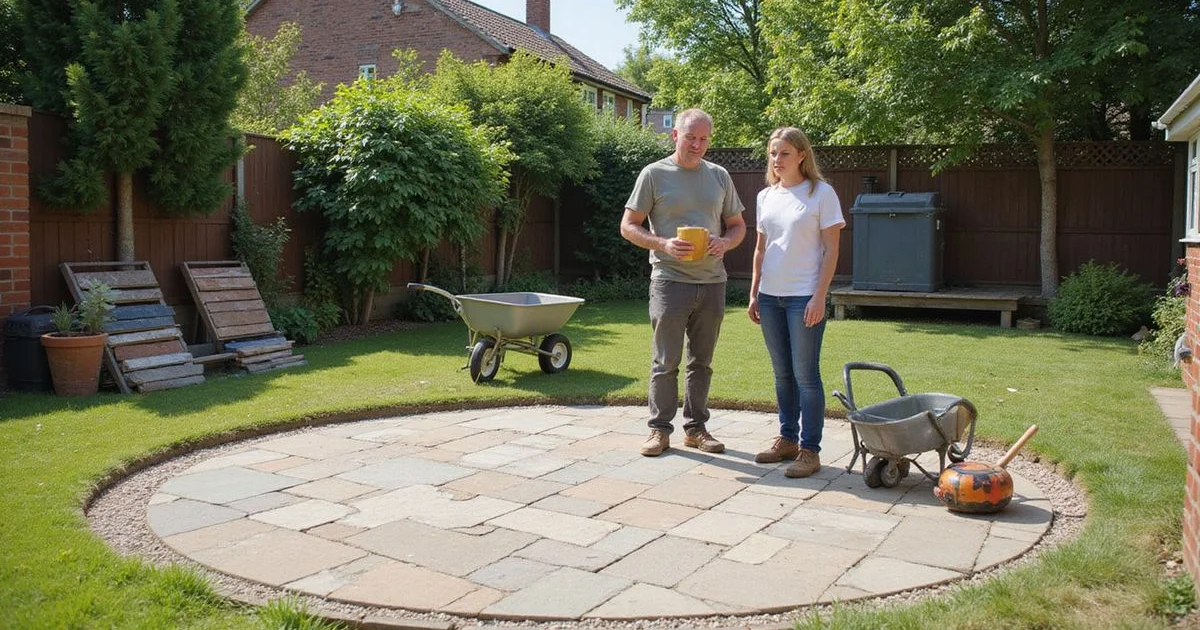
A new patio is one of those jobs where the quote can vary by hundreds or even thousands of pounds for what looks, on paper, like the same size and shape. The material you pick and the state of the ground underneath explain most of that gap. Anyone comparing quotes from patio installers in Cheltenham is really comparing three variables: material, area, and ground condition, so it helps to separate them before you look at a single number.
Typical price ranges by material
These are rough per square metre ranges before groundwork, based on typical material costs. Final quotes fold groundwork back in, so treat these as a starting point for comparing contractors, not a fixed price.
| Material | Typical range per sqm | Notes |
|---|---|---|
| Concrete flags | £55-£80 | Most budget-friendly, wide colour range |
| Block paving | £70-£95 | More labour-intensive to lay than flags |
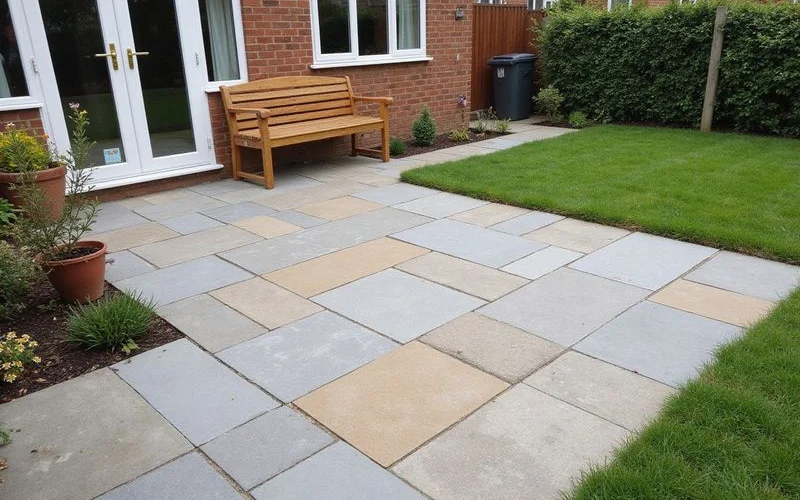
| Natural stone (e.g. Indian sandstone) | £75-£110 | Riven or sawn finish changes the price |
| Porcelain | £90-£130 | Densest, most weather and stain resistant |
What actually pushes the price up
Ground condition matters more than most people expect. A level site that just needs a straightforward dig costs the least. A sloped garden, poor drainage, or a patio that is replacing an old concrete slab or decking adds real time and cost, since that has to come out before anything new goes in.
Size works in reverse for small jobs. A tiny patio still needs a digger or hand excavation, edging, a compacted sub-base and a skip, and those fixed costs get spread across less area. Do not assume a small patio will be proportionally cheap.
Pattern and cutting add labour. A simple grid lay in a rectangular space is quick. A herringbone pattern, a curved edge, or steps built into the design all add cutting time and, usually, wastage.
Access affects cost too, especially with a service-area trade: a rear garden with no side access means materials get barrowed in by hand rather than driven to the spot, which adds time on a job with any real volume of stone or sand.
Timing can move the price too
Patio work is weather-dependent, so demand and pricing both shift with the seasons. Spring and early summer tend to be the busiest months, when contractors are booked out weeks in advance and have less reason to sharpen a quote. Autumn and winter are quieter, and some contractors will price more competitively to keep a crew working through the slower months, though a wet, cold site can still slow the job down and add drying time between stages. If your patio is not urgent, asking for quotes outside peak season is worth trying.
Getting quotes you can actually compare
Ask each contractor to break the quote into three lines: groundwork and disposal, materials, and labour to lay and point. Quotes that bundle everything into one number are the hardest to compare and the easiest place for a difference to hide. It also helps to ask what depth of sub-base they are planning; a shallow one is often how a lower quote gets to be lower.
If you want a sense of how contractors on this site are scored before you request quotes, our methodology page sets out the ranking criteria in full.
Is it worth spending more on material
Porcelain and natural stone cost more up front but need less upkeep over time: fewer stains, less colour fade, and in porcelain’s case a genuinely non-porous surface that resists frost damage well. Concrete flags are a sound choice if budget is the main driver and you are comfortable resealing or cleaning more often. Over a 15-20 year span, the gap between materials narrows once you factor in the cleaning products, resealing, and joint repointing that a budget surface tends to need more often. There is no wrong answer here, just a trade-off between cash now and maintenance later. This guide, and the wider directory at Cheltenham Paving Contractor Guide, is here to help you weigh that trade-off before you commit to a quote.
FAQ
- What is the cheapest patio material?
- Concrete flags are usually the most affordable option, roughly £55-£80 per square metre before groundworks. Porcelain and natural stone sit well above that.
- Does patio size change the price per square metre?
- Yes, usually the opposite of what people expect: small patios often cost more per square metre because setup, edging and cutting waste are spread over less area. A 12 sqm patio can cost more per metre than a 25 sqm one.
- Do I need to budget for groundwork separately?
- Ground condition drives a big share of the final price. A level, easy-dig site adds little; a sloped garden or one that needs the old surface removed can add 15-35% on top of the material and laying cost.
- Is it cheaper to lay a patio myself and just hire someone for the paving?
- Some homeowners do their own excavation and hire a contractor only for base preparation and laying. It can save money, but get the sub-base spec agreed first: a DIY dig that is not deep or level enough usually has to be redone.