How long driveway paving takes, from quote to finished surface
By Janice · Updated 2026-07-14
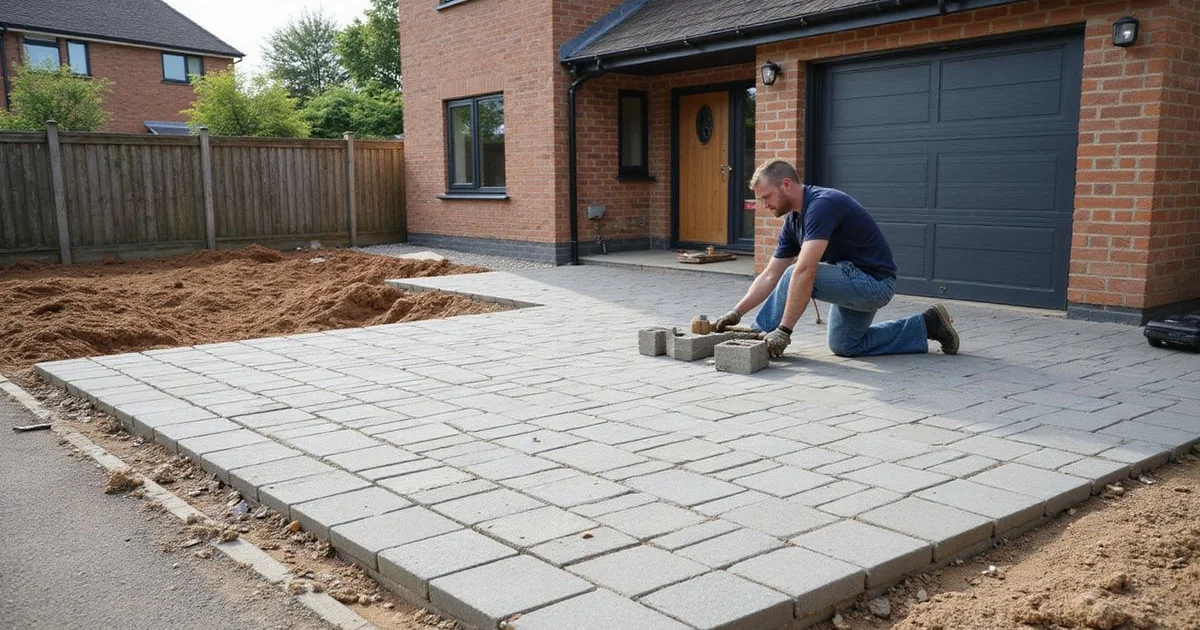
Once you have chosen a contractor from the driveway paving specialists in Cheltenham covered on this site, the next question is usually practical: what actually happens, and for how long is your car going somewhere else. The answer depends on size and material, but the sequence of stages is largely the same across the trade.
The stages, in order
1. Excavation and disposal. The old surface, if there is one, comes out along with enough soil to reach the right depth for a proper sub-base. This is usually the messiest and noisiest day.
2. Sub-base and compaction. A layer of crushed stone, typically MOT Type 1, goes down and gets compacted in stages with a plate compactor or roller. This layer is doing most of the structural work; skipping depth or compaction here is the single biggest cause of driveways failing early.
3. Edging. Kerbs, edging blocks or concrete haunching go in around the perimeter to hold the surface in place and stop it spreading sideways over time.
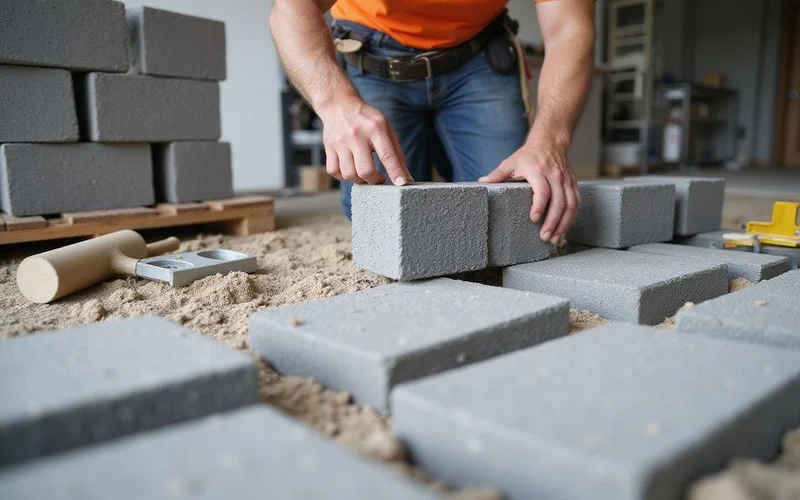
4. Laying the surface. Block paving is laid course by course on a bedding layer of sharp sand. Tarmac is rolled hot and compacted immediately. Resin bound systems are mixed and trowelled over the prepared base in one continuous pour.
5. Finishing. Block paving gets kiln-dried sand brushed into the joints and compacted again. Tarmac may get a final roll once it has cooled slightly. Resin surfaces need time to cure before any weight goes on them.
| Stage | Typical duration (30-50 sqm drive) | What to expect |
|---|---|---|
| Excavation | Half a day to 1 day | Skip on site, no access to the drive |
| Sub-base | 1 day | Noise from compaction equipment |
| Laying | 1-2 days | Material-specific: fastest for tarmac, slowest for detailed block patterns |
| Finishing/curing | Hours to 2 days | No vehicle access until cured |
What changes the timeline
Access is the biggest variable outside the material itself. A driveway with easy front access for a mini digger and delivery lorry moves faster than one behind a narrow side passage, where material has to be barrowed in by hand. Ground condition matters too: heavy clay or a site with existing drainage problems can add a day for extra excavation or a French drain.
Weather affects resin bound systems more than the others, since most need a dry window and a minimum ground temperature to cure. A contractor who reschedules around forecast rain is being sensible, not slow.
Questions worth asking before you book
Ask what the quote assumes for sub-base depth and whether it includes skip hire and disposal of the old surface, since some quotes leave that out and add it later. If you want to know what should be driving that number in the first place, our guide on what affects the cost of a new driveway breaks down where the money actually goes. Ask how they will protect access to your house and any neighbouring driveways during excavation, and what happens if the job runs into an extra day, whether that is included in the price or charged separately. A contractor who answers these clearly, without pushing back, is usually one worth hiring.
What a finished job should look like
Before the crew leaves, walk the driveway with them. The surface should be even underfoot with no visible pooling once you hose it down, joints should be fully filled rather than gappy, and edging should sit flush and solid rather than loose. Ask what the site cleanup includes: a tidy job clears excess sand, stone and offcuts rather than leaving them for you to sweep up over the following weeks. Any reputable contractor will also tell you how long to wait before driving a car onto a freshly laid surface, and it is worth writing that date down rather than relying on memory once the excitement of a finished driveway takes over.
Setting expectations with your household
If you rely on the driveway daily, plan alternative parking for the full window quoted, plus a buffer day. Bin collections, deliveries and any regular visitors should be told in advance, since a skip and a compactor on the drive for several days changes normal access to the house. Once you know the stages above, a contractor’s day-by-day plan should make sense rather than feel like a black box, and any deviation from it is worth asking about on the day it happens rather than after the invoice arrives. For more on how contractors are ranked on this site, see our methodology page, and browse the full range of local trades from the Cheltenham Paving Contractor Guide home page.
FAQ
- How many days does a driveway take to lay?
- A standard 30-50 sqm driveway usually runs 2-4 working days once the crew is on site: excavation and sub-base, then the surface, then finishing and jointing. Larger or awkward-access driveways take longer.
- Can I still use my drive while it is being done?
- No, not for most of the job. Once excavation starts you will need to park elsewhere until the surface is finished and, for resin or freshly laid block paving, until it has properly set.
- What happens if it rains during the job?
- Light rain rarely stops excavation or sub-base work. Heavy rain can delay laying the surface itself, especially for resin bound systems, since most need a dry, above a minimum temperature, window to cure properly.
- Do I need to be home while the work happens?
- Not for the whole job, but most contractors want someone reachable on day one to confirm the layout and edging line before anything is dug out, since that is the hardest stage to change once started.
Related on this site
- Browse driveway paving providers
- What affects the cost of a new driveway (and how to keep it down)
- Driveway paving before you sell your house: is it worth it
- Block paving vs tarmac vs resin bound: choosing your driveway surface
- Why block paving driveways sink or shift, and how a good contractor prevents it
- All guides →