Block paving vs tarmac vs resin bound: choosing your driveway surface
By Janice · Updated 2026-07-20
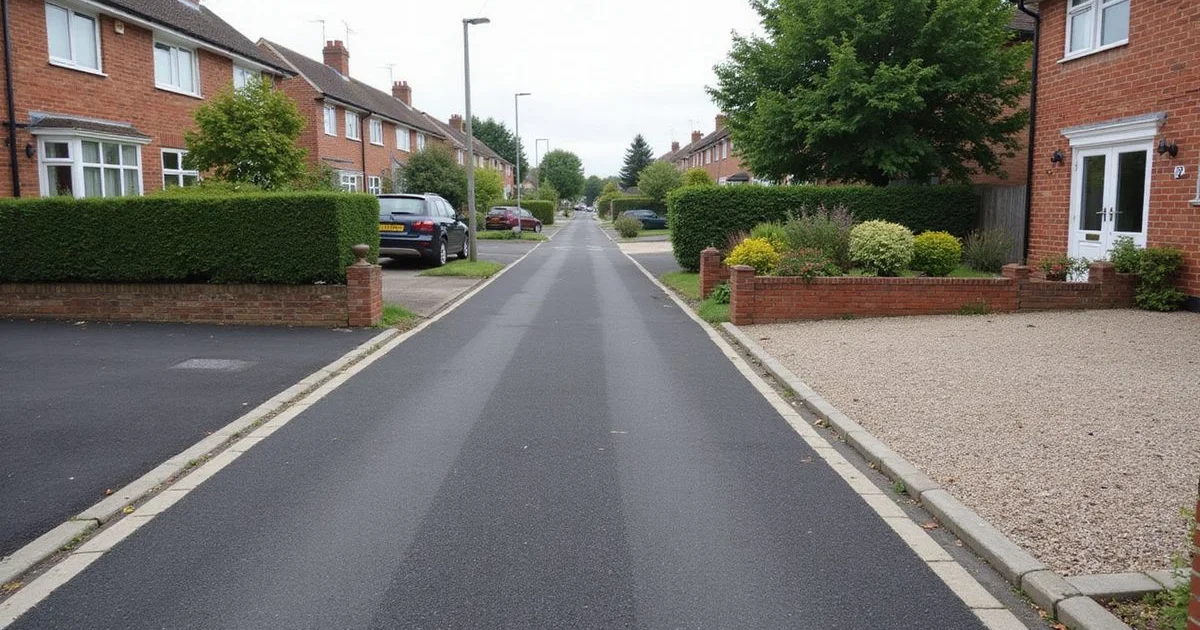
Most people comparing driveway surfaces are really weighing up three things: how it looks, what it costs, and how much work it needs once it is down. Block paving, tarmac and resin bound cover a wide spread on all three, and the right answer depends more on your budget and how the driveway is used than on which material is “best”.
If you want to browse contractors who work with any of these, the block paving specialists in Cheltenham listed on this site cover most of what follows.
What each surface actually is
Tarmac is a hot-laid mix of crushed stone and bitumen, rolled flat to form a single continuous surface. It is the cheapest of the three and the fastest to install, but it offers little in the way of pattern or colour beyond black or a red-oxide tint.
Block paving uses individual concrete, clay or stone blocks laid in a pattern over a compacted sub-base and bedding sand, then locked together with kiln-dried sand brushed into the joints. It gives the most design flexibility: colours, patterns, borders, and the option to lift and reset blocks if a section needs work.
Resin bound surfacing mixes stone aggregate with a clear resin binder and trowels it over an existing or newly laid base. It is permeable, sheds water through the surface itself rather than to a drain, and gives a smooth, joint-free finish that many homeowners prefer for a modern look.
How the three compare on cost and lifespan
| Surface | Typical cost position | Lifespan with a proper base | Maintenance |
|---|---|---|---|
| Tarmac | Lowest | 15-20 years | Occasional sealing, crack repair |
| Block paving | Mid to upper | 20+ years | Re-sanding joints, occasional weed treatment |
| Resin bound | Upper | 15-20 years | Pressure wash, clear moss/debris |
These are relative positions, not fixed prices, since ground condition, area, and access all move the number. Get a proper site visit before you compare like for like.
Durability comes from the base, not the surface
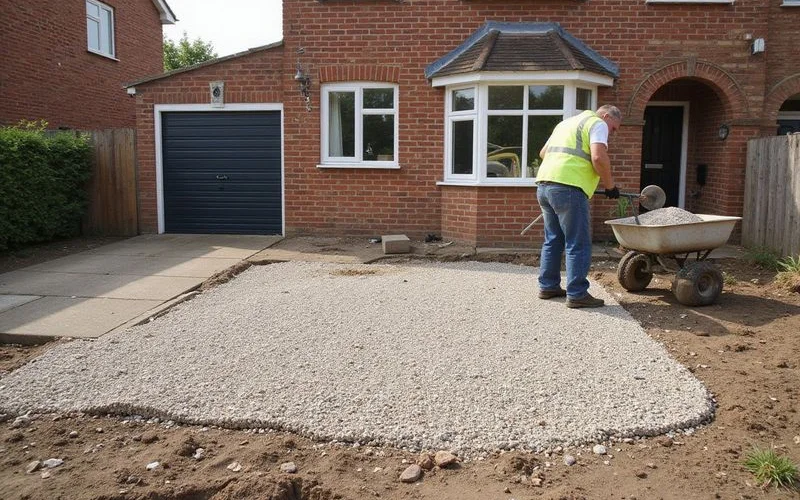
Whichever material you pick, the sub-base is what actually determines whether the driveway lasts. A compacted MOT Type 1 sub-base, correct depth for the expected traffic, and a solid edging course to stop lateral movement matter more than the wearing surface on top. A cheap tarmac job on a proper base will outlast an expensive block paving job on a thin one. Ask any contractor what depth of sub-base they are planning and how they will compact it before you sign anything. Skip that step on a block paving job and the classic failure shows up within a year or two: our guide on why block paving sinks or shifts covers what a poor base looks like once it fails.
Which one suits your situation
- Tight budget, straightforward rectangular drive: tarmac usually wins on price and speed.
- Want to add kerb appeal or match period brickwork: block paving gives the most design control.
- Want a smooth, permeable, low-maintenance finish: resin bound is worth the extra cost.
- Heavy vehicle use or commercial access: ask specifically about load-bearing depth, since not every system is rated for it the same way.
Drainage is part of the decision too
Solid tarmac and standard block paving both shed rainwater off the surface rather than through it, so they usually need a drain, channel or soakaway built in to take the runoff somewhere sensible. Resin bound and permeable block paving let water pass through the surface itself, which can matter if your front garden already floods in heavy rain or if the area you are covering is large. It is also the reason some homeowners choose a permeable option in the first place: replacing a permeable front garden with a solid surface can trigger planning rules that a permeable one avoids. Worth raising with your contractor before you commit to a material, not after.
Getting a fair quote
Ask each contractor for the same three things: the sub-base depth and material, the edging detail, and whether the price includes removal of the existing surface. Quotes that skip these often look cheaper on paper and cost more once the missing work gets added back in. Our methodology page explains how we score and rank the contractors on this site if you want to see how we vet them before you request quotes.
There is no single right surface. A driveway that suits a young family with two cars and a bike shed is a different brief from a period cottage with a gravel courtyard behind it. Match the material to how you actually use the space, get the base right, and any of the three will serve you well for two decades or more. For a wider look at the local market, Cheltenham Paving Contractor Guide covers all the paving categories this site tracks.
FAQ
- Which driveway surface lasts longest: block paving, tarmac or resin bound?
- Block paving and tarmac both last 15-20+ years when the sub-base is done properly. Resin bound systems are newer to the domestic market but a well-installed one should give a similar lifespan; the sub-base underneath matters more than the surface material in every case.
- Is a resin bound driveway more expensive than block paving?
- Usually yes, resin bound tends to sit at the top of the price range, above standard block paving and well above tarmac. Premium block (clay pavers) or intricate laying patterns can close the gap.
- Can block paving be laid over an old tarmac driveway?
- Not directly. The old surface normally needs breaking out so a proper compacted sub-base can go down, otherwise the blocks will move and sink within a year or two.
- Does a resin bound driveway need much maintenance?
- Less than block paving in most cases: no joints for weeds to grow through and no re-sanding needed. An occasional pressure wash and clearing of moss keeps it looking right.