Do you need planning permission for a new driveway in the UK
By Janice · Updated 2026-07-02
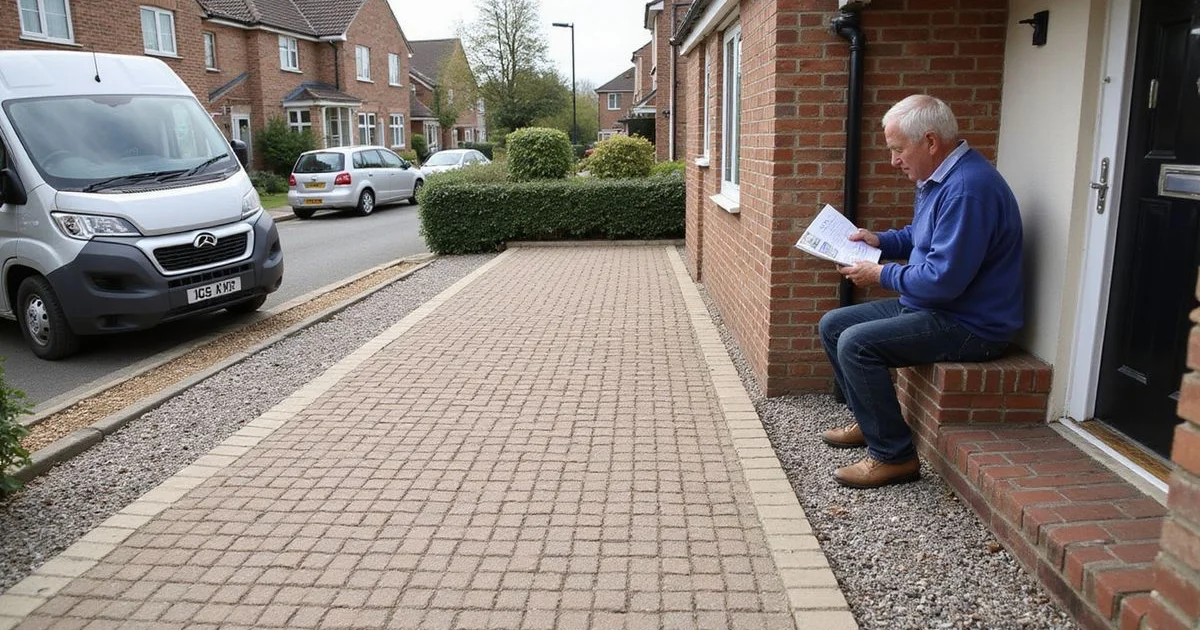
This is general information, not legal advice, and rules can vary by council and by specific site: always confirm with your local planning authority before work starts.
Driveway planning permission is one of those UK rules that catches people out because the headline answer, “you don’t usually need it,” has real exceptions that matter in practice. Getting this wrong before work starts can mean a retrospective application, a costly change of surface, or a headache when you come to sell the house.
The general rule
For a house in England, laying a new hard surface in the front garden usually falls under permitted development, meaning no planning application is needed, as long as one of two things is true: the surface is permeable, letting water drain through it naturally, or any rainwater run-off is directed to a lawn, border or soakaway rather than out onto the pavement or road. This exception exists because uncontrolled run-off from hard driveways is a recognised contributor to local flooding.
Where permission usually is needed is a new, solid, non-permeable surface, such as standard tarmac or non-jointed concrete, covering more than 5 square metres of front garden with no proper drainage arrangement in place.
| Surface type | Drainage arrangement | Usually needs permission? |
|---|---|---|
| Permeable block paving or resin bound | Water passes through the surface | No |
| Impermeable (tarmac, solid concrete) | Drains to a lawn, border or soakaway | No |
| Impermeable, over 5 sqm | Drains to the road or pavement | Yes |
| Any surface | Rear garden, not visible from a public road | Usually no, different rules apply |
Conservation areas and listed buildings change things
If your property is in a conservation area, is listed, or is subject to an Article 4 direction removing permitted development rights locally, the standard exemptions above may not apply, and permission can be required regardless of drainage. Cheltenham has several conservation areas, so this is worth checking specifically for your street rather than assuming the general rule applies.
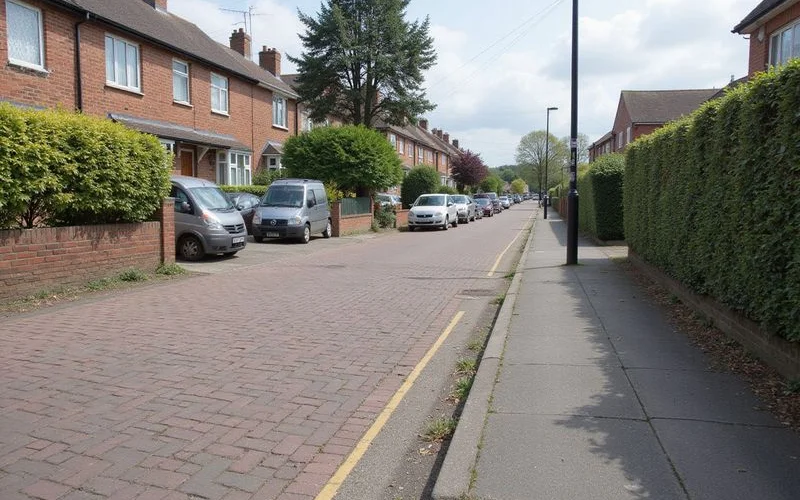
Planning permission is not the same as a dropped kerb
Even when your driveway surface itself does not need planning permission, creating a new vehicle crossing over the pavement, a dropped kerb, is a separate matter handled by the local highway authority rather than the planning department. For Cheltenham this is Gloucestershire County Council. This process checks things like visibility at the junction and the condition of the footway, and it applies whether or not your surface material needs planning permission in its own right.
How to check before you commit
Contact your local planning authority’s duty planning officer, or use their online planning portal tool if available, before finalising your surface choice. Provide the size of the area, the material, and how drainage will be handled. If a dropped kerb is also needed, raise that with the highway authority at the same time, since the two applications can run in parallel rather than one after the other.
Keep a record, even when permission is not required
Even where no application is needed, it is worth keeping a note of the surface type, the drainage arrangement, and any correspondence with the council confirming your understanding of the rules. This matters most at the point you sell the house: a buyer’s solicitor will often ask specifically whether a driveway was laid with the correct permissions, and being able to show why permission was not required, rather than simply asserting it, avoids delays in the sale. A photo of the finished permeable surface and a copy of any email exchange with planning is usually enough.
If you are unsure which category you fall into
When in doubt, a permeable surface removes most of the uncertainty in one step, since it sidesteps the drainage question that trips up most impermeable driveway applications. A contractor experienced with local rules can often flag likely issues before you apply, though the final decision always sits with the council, not the contractor. Our methodology page explains how contractors on this site are assessed, and the Cheltenham Paving Contractor Guide home page covers every paving category this directory tracks if you want to compare options once the permission question is settled.
FAQ
- Do I always need planning permission for a new driveway?
- No. Most driveways do not need permission if they use a permeable surface, or if rainwater drains to a lawn, border or soakaway rather than the road. Permission is usually only needed for a new impermeable surface over 5 square metres in the front garden with no proper drainage arrangement.
- Does resin bound or permeable block paving avoid the need for permission?
- In most cases, yes, since these surfaces let water pass through rather than run off toward the street. This is one of the main reasons homeowners choose a permeable material for a front driveway in the first place.
- Do I need separate permission to create a dropped kerb?
- Yes, and it is a different process from planning permission. A dropped kerb, where the pavement kerb is lowered so a vehicle can cross it, needs consent from the local highway authority, which for Cheltenham is Gloucestershire County Council, regardless of whether the driveway surface itself needs planning permission.
- What happens if I lay a driveway without permission when I needed it?
- The council can require you to apply retrospectively, and in some cases order the surface to be removed or altered if it is refused. It can also complicate selling the house later, since a buyer's solicitor will usually check for this.