Commercial and car park surfacing: what to expect when hiring a contractor
By Janice · Updated 2026-06-14
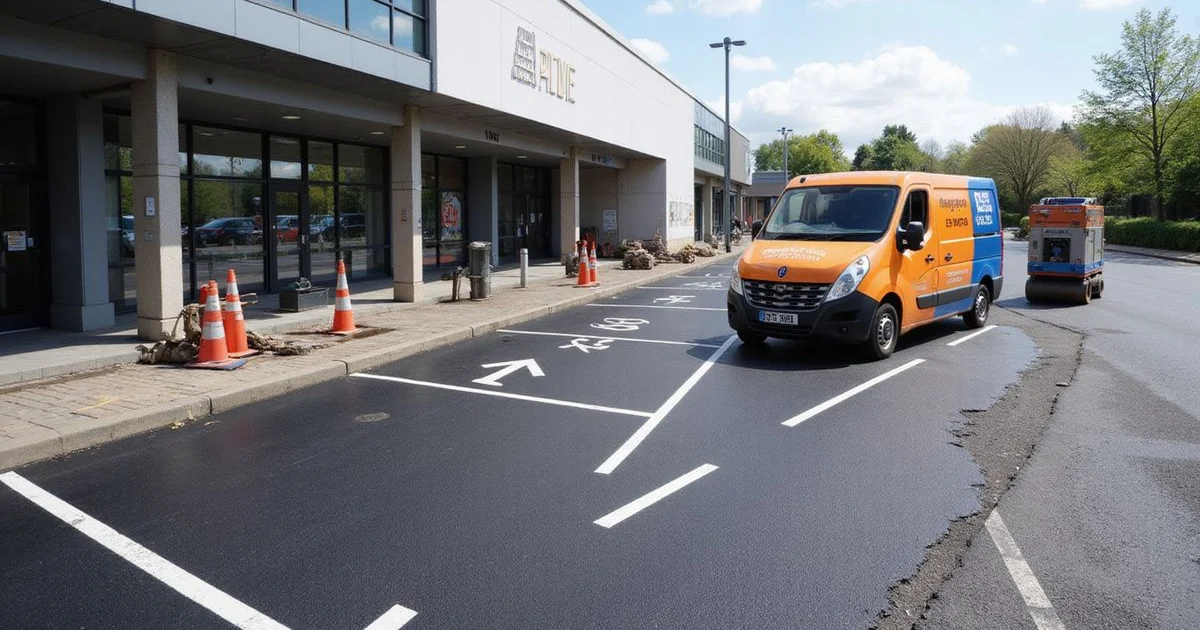
Commercial surfacing covers a wider range of jobs than most residential paving, from a small office car park to a full retail or industrial site, and the stakes are different too: disruption to a business has a cost attached that a homeowner’s driveway simply does not. Working with commercial and car park paving specialists in Cheltenham usually means planning around your business, not just around the weather.
What makes commercial surfacing different
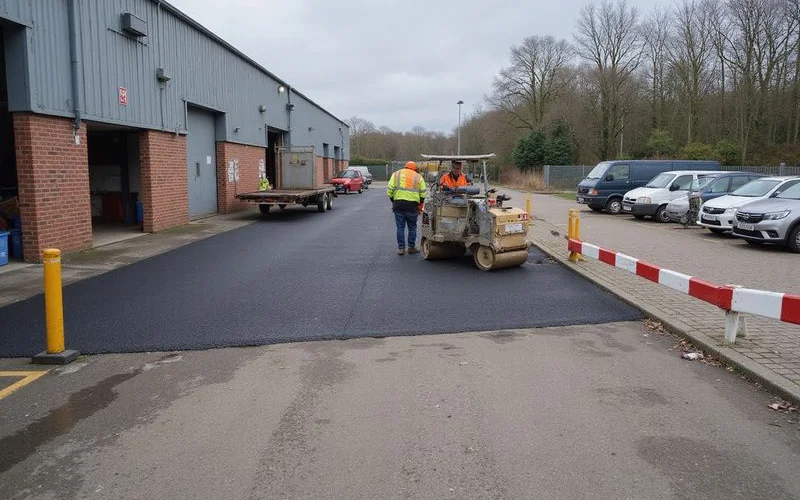
The base needs to match the traffic it will carry. A staff car park used only by cars needs a similar specification to a substantial residential driveway. A site with regular deliveries, forklifts, or heavy goods vehicles needs a thicker, more heavily engineered sub-base and surface, since the loads involved can rut or crack a surface built to a lighter spec within a year or two. Get the traffic profile right at the quoting stage, since retrofitting a surface that turns out to be under-specified is expensive.
| Site type | Typical vehicle load | Base consideration |
|---|---|---|
| Small office car park | Cars only | Similar to a heavy-duty residential driveway |
| Retail car park | Cars, occasional delivery vans | Moderate reinforcement, attention to entrance/exit wear points |
| Industrial yard or loading area | HGVs, forklifts, regular heavy loads | Substantially thicker base, engineered specifically for the load |
Managing disruption to your business
Ask whether the work can be phased, resurfacing one section while another stays open, rather than closing the whole site at once. Phasing usually takes longer overall and can cost more, but it may be worth it if a full closure would meaningfully hurt trade or staff access. Some contractors will also work outside normal trading hours, evenings or weekends, for an additional cost, which can avoid disruption entirely for businesses that can accommodate it.
Line marking and access requirements
Confirm whether line marking, including any disabled bay markings and directional arrows, is included in the quote or priced separately, since this is a common place for quotes to diverge without either side being dishonest about it. If your car park has specific accessibility requirements, raise them at the quoting stage so the contractor can plan bay widths and markings correctly the first time.
Drainage on larger sites
A large impermeable car park sheds far more rainwater than a domestic driveway, and depending on the site and any planning history, that can bring stricter sustainable drainage expectations into play, particularly for new developments or significant expansions rather than a straightforward like-for-like resurface. If you are unsure whether this applies to your site, check with your local planning authority before committing to a surface type.
Timing the work around your business
Quieter trading periods are usually the best window for major resurfacing, whether that means school holidays for a site near a school, a seasonal lull specific to your trade, or simply a weekend closure for a business that does not open Sundays. Discuss your busiest periods with the contractor early, since a fixed deadline like an opening event or a seasonal peak should shape the schedule, not get squeezed by it. Building in a buffer for weather delays is sensible too, since a hard deadline with no slack tends to be the first thing sacrificed if conditions turn against the job.
Maintenance after the work is done
A commercial car park under constant vehicle load wears differently to a domestic driveway used a handful of times a day. Ask whether the contractor offers a maintenance check-in after six months to a year, since catching early wear, cracking at entrance points, or drainage issues before they spread is far cheaper than a full resurface a few years early. Some contractors offer this as a simple paid inspection rather than a full contract, which can be worth the modest cost for a site that gets heavy daily use. Storm damage or ground movement can accelerate that wear even on a well-built surface; our guide on storm damage and subsidence covers how to tell the two apart if something changes suddenly.
Questions worth asking before you commit
Ask how the contractor plans to manage traffic and pedestrian safety on an active site during the works, what insurance they carry for commercial jobs, and whether they offer any maintenance plan afterward, since a car park under constant vehicle load benefits from periodic checks more than a rarely used residential drive. Our methodology page explains how contractors on this site are scored, and the Cheltenham Paving Contractor Guide home page covers the full range of paving specialists if your project spans more than one category.
FAQ
- Can a car park stay open during resurfacing?
- Often partially, if the contractor can phase the work section by section, keeping some spaces available while others are closed. A full closure is usually faster and cheaper but only realistic if you have somewhere else for customers or staff to park temporarily.
- Does line marking come as part of a resurfacing quote?
- Not always by default, so ask specifically. Line marking, disabled bay markings, and directional arrows are often quoted as a separate item, and a quote that omits it can look cheaper on paper than one that includes it.
- How much heavier duty does commercial surfacing need to be than a driveway?
- It depends entirely on the traffic: a small office car park with cars only is closer to a driveway spec, while an area with delivery lorries or regular heavy vehicles needs a thicker, more heavily engineered base and surface to avoid rutting.
- Do larger paved areas have extra drainage requirements?
- Larger impermeable areas can trigger stricter sustainable drainage expectations than a small domestic driveway, particularly for new commercial developments. Check with your local planning authority for anything beyond a straightforward resurface of existing car park space.